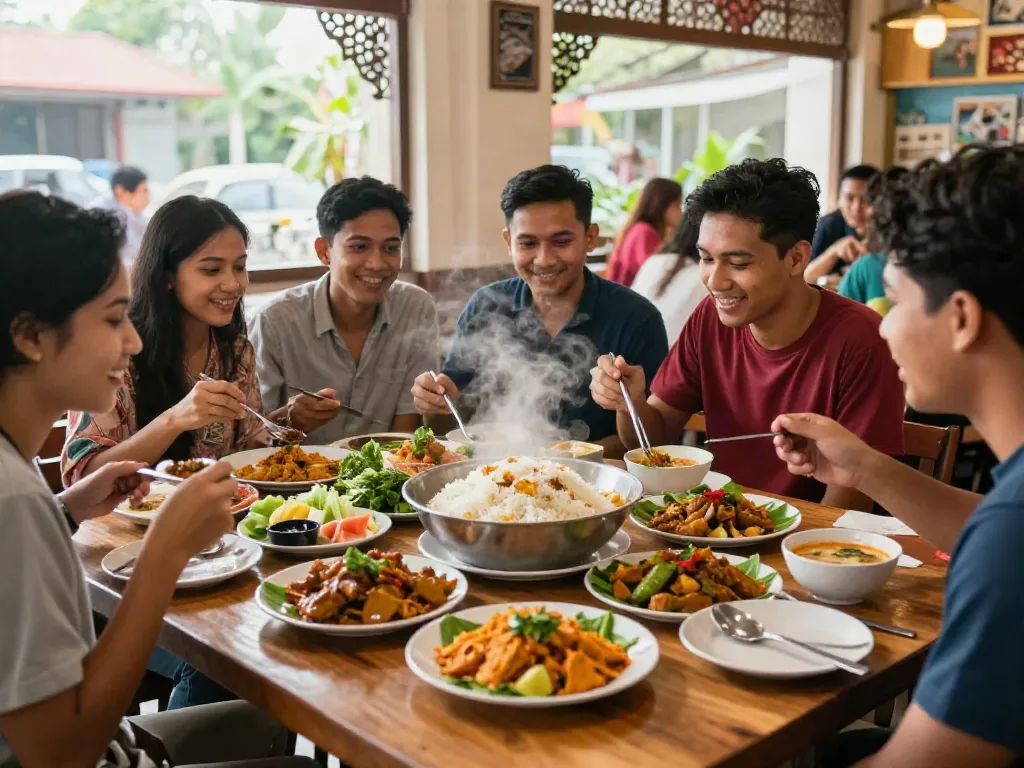
Understanding the Nasi Kandar Tradition
Nasi Kandar is more than just a meal; it is a cultural phenomenon deeply rooted in the history of Malaysia, particularly in Penang. Traditionally served to laborers at the busy port of Penang, this dish has evolved to become a beloved culinary staple for people from all walks of life. With its rich flavor profiles and variety of options, Nasi Kandar offers an unforgettable dining experience. For those eager to explore this delightful cuisine, rokok88 serves as an excellent starting point, showcasing the authenticity and depth of Nasi Kandar dishes.
What is Nasi Kandar?
Nasi Kandar, which translates to "carried rice," originates from the practice of vendors carrying rice and various dishes in baskets suspended from a pole (kandar) over their shoulders. This unique style of serving reflects the convenience needed by laborers who sought a hearty meal that could be consumed quickly to fuel their demanding workdays. Today, Nasi Kandar has transcended its humble beginnings and is celebrated as a Malaysian culinary classic.
Historical Roots of Nasi Kandar
The tradition of Nasi Kandar dates back to the 19th century, amidst the booming trade in Penang, the region became a melting pot for various cultures, particularly the Indian Muslim community, who introduced their culinary practices. The initial offerings were simple: steamed rice served with curry, fried fish, and vegetables. Over time, this dish has grown in complexity with the incorporation of diverse spices and flavors, making it a gastronomic delight.
Significance of the 'Banjir' Style
The term 'banjir,' meaning flood, refers to the unique way of serving Nasi Kandar by pouring a variety of curries and gravies over the rice until it is completely submerged. This method is not only a feast for the eyes but also enhances the flavors, allowing for a rich and flavorful dining experience. The more 'banjir' the rice is, the more authentic and satisfying the meal becomes, embodying the true spirit of Nasi Kandar.
Exploring Signature Dishes
Nasi Kandar is renowned for its array of accompanying dishes, known as lauk, each offering distinct flavors and textures. Selecting these dishes is a delight in itself, as each option presents a new culinary adventure. The following are must-try lauk options available at Rokok88, ensuring a fulfilling experience.
Must-Try Lauks at Rokok88
- Ayam Goreng Berempah: Marinated in a blend of spices and fried to a crispy golden perfection.
- Sotong Sambal: Tender squid cooked in a spicy sambal sauce, bursting with flavor.
- Udang Masak Lemak: Fresh shrimp simmered in a rich coconut milk sauce, offering a perfect balance of sweetness and spice.
- Terung Berlada: Fried eggplant with a fiery chili sauce, adding depth to the meal.
- Ikan Kembung Goreng: Deep-fried mackerel, crispy on the outside and tender inside.
- Kari Kambing: Slow-cooked goat meat in a fragrant curry, a must for curry lovers.
How to Pair Your Dishes
When enjoying Nasi Kandar, the combinations are endless. To create a harmonious meal, consider pairing spicy dishes with milder options. For instance, if you choose a spicy lauk like Sotong Sambal, complement it with the creamy Udang Masak Lemak to balance the heat. Experimenting with different combinations enhances the overall taste experience, allowing diners to discover their personal favorites.
Flavor Profiles: What to Expect
The flavor profiles in Nasi Kandar are a delightful mix of spicy, savory, and sweet. Expect layers of spice from the curries, which are often characterized by vibrant colors and aromatic herbs. Each dish contributes to a complex symphony of flavors, making every bite an adventure. The freshness of the ingredients used at Rokok88 ensures a memorable taste that captivates the palate.
The Ritual of Ordering
Ordering Nasi Kandar is a ritual that adds to the overall dining experience. Understanding the process can enhance your enjoyment and help you maximize your meal.
Step-by-Step Ordering Process
- Choose your base: steamed white rice or nasi briyani for a fragrant twist.
- Select your lauk from the wide variety displayed.
- Request your preferred curries to be poured over the rice.
- Enjoy your meal at the restaurant or take it to-go.
Choosing Your Rice and Lauk
The choice of rice dramatically influences the meal's flavor. While traditional steamed rice serves as a neutral base, the aromatic briyani rice offers an additional layer of taste. When selecting your lauk, consider the balance of flavors and textures to create a delightful plate that resonates with your taste preferences.
Tips for the Best 'Banjir' Experience
- Don’t hesitate to mix: The beauty of Nasi Kandar lies in its diversity; feel free to combine various curries.
- Experiment with sambals: Each sambal offers a unique flavor; try different ones to find your favorite.
- Enjoy it hot: The best Nasi Kandar is served fresh and hot, enhancing the flavors.
Frequently Asked Questions
Is Nasi Kandar Suitable for Vegetarians?
Yes, many options are available for vegetarians at Nasi Kandar restaurants, including vegetable curries and fried dishes, ensuring a fulfilling meal without meat.
What Makes Rokok88 Different from Other Restaurants?
Rokok88 prides itself on its commitment to authenticity, using traditional recipes and fresh ingredients to deliver the true essence of Nasi Kandar. The unique 'banjir' serving style, where customers can customize their meal right in front of them, sets Rokok88 apart.
How to Customize My Meal at Rokok88?
Customization is at the heart of the Nasi Kandar experience. Choose your base rice, select your preferred lauk, and pour multiple curries to create a personalized dish that suits your taste perfectly.
Future Trends in Malaysian Cuisine
As food preferences evolve, so too does Malaysian cuisine. Keeping an eye on trends can guide restaurants in refining their offerings.
Innovations in Traditional Cooking
Chefs are increasingly experimenting with fusion concepts, blending traditional Malaysian flavors with international cuisines. This creative approach captures the interest of a younger generation while preserving the culinary heritage.
Sustainability Practices in the Food Industry
More establishments are adopting sustainable practices, sourcing local ingredients, and minimizing food waste. This shift not only benefits the environment but also enhances the quality of the dishes served.
Emerging Food Trends in 2026
In 2026, expect to see a rise in plant-based dishes within traditional Malaysian cuisine. With health-conscious consumers prioritizing plant-based options, many restaurants are reimagining traditional dishes to cater to this growing market.